October 13, 2026
By JP Landscaping & Masonry LLC
After a long Connecticut winter, your yard usually needs a real reset before it can take off for the season. Leaves pile up in corners, branches come down in storms, beds get flattened by snow, and the lawn often wakes up patchy and compacted. A thorough spring cleanup gives everything a clean starting point so the grass, shrubs, and beds can grow in evenly through spring and summer. This checklist walks through the main jobs most homeowners in the Danbury area tackle between late March and May, and notes where it makes sense to bring in help.
Winter in Connecticut does more than cover the yard in snow. The freeze-thaw cycle pushes plants around, leaves and debris get matted against the lawn, and moisture sits on beds that never fully dried out in fall. Left alone, that debris can smother new growth, trap moisture against stems and trunks, and create a welcoming environment for mold and pests. A spring cleanup clears that layer so air and light can reach the soil. It is also the easiest time of year to spot problems early, before they get hidden by a full canopy of leaves and growth.
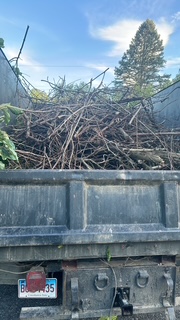
Start by removing everything that does not belong. Rake out leaves that collected in beds, along fence lines, and in low spots on the lawn. Pick up fallen branches, twigs, and any trash blown in over the winter. If leaves have been sitting on the grass for months, rake gently at first, since the turf underneath may still be soft and easily torn. For properties that were never cleaned up the prior fall, the debris layer can be thick enough that a full lawn clearing makes more sense than hand raking. Clearing this material first makes every step after it easier to see and do well.
Many perennials and ornamental grasses are left standing through winter on purpose, both for winter interest and to protect the crown of the plant. In spring, those brown stems and seed heads get cut back to make room for new growth. Shrubs and hedges that were not pruned in late winter can be shaped now, though timing matters. Spring-blooming shrubs should usually be pruned right after they flower so you do not cut off the buds. A shrub and hedge trimming visit keeps the cuts clean and avoids over-pruning, which can stress a plant right as it is trying to push new growth.
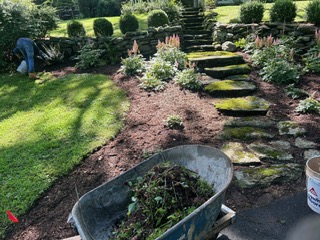
Weeds that survived winter will be the first plants to take off in spring, so pulling them now is far easier than waiting. Remove the full root where possible, especially for creeping weeds that regrow from fragments. Once beds are clean, refresh the edge between the lawn and the beds. A crisp, defined edge keeps grass from creeping into the planting area and gives the whole landscape a finished look. Clean landscape edging also makes mulching easier, because you have a clear line to work to. Skipping the edge and going straight to mulch is one of the most common mistakes that makes a yard look untidy even after fresh work.
A fresh layer of mulch suppresses weeds, holds moisture in the soil, and regulates soil temperature as the weather warms. The key is depth. Too little and weeds push through; too much and you can smother the roots and trap moisture against the stems. A consistent layer is what gives beds that clean, finished appearance through the season. Mulch should also be pulled slightly away from the base of trunks and stems to avoid rot. If you are planning a mulching refresh, spring is the natural time, right after the beds are weeded and edged.
Walk the lawn and look for dead patches, thin areas, and spots where water may have pooled over winter. Light raking can lift matted grass and help you see whether thatch, the layer of dead material between the grass and the soil, has built up. Small bare spots can be seeded once the soil warms, but larger areas or a lawn that has thinned across the whole property may need more than a quick fix. This is a good moment to note what you see and ask about it during an estimate, since the right approach depends on the cause, whether that is compaction, shade, drainage, or winter damage.
A small, flat yard with light debris is realistic to clean up yourself over a weekend. A larger property, steep slopes, heavy leaf buildup, or hedges that need a ladder and sharp cuts change the math quickly. The same goes for the first cleanup after a property has been neglected for a season or more, which often involves hauling away far more material than a homeowner expects. Many people in the Danbury area handle the small jobs and bring in help for the heavier work, like a full spring cleanup that bundles debris removal, pruning, weeding, edging, and mulching into one visit.
If your property is in Danbury, Brookfield, or Bethel, and you would like help getting the yard ready for the season, free estimates are available and new customers receive 10% off.
Ready to get your yard set for spring? Request a free estimate and new customers save 10%.
Free estimates are available, and new customers receive 10% off. Give us a call or request an estimate today.